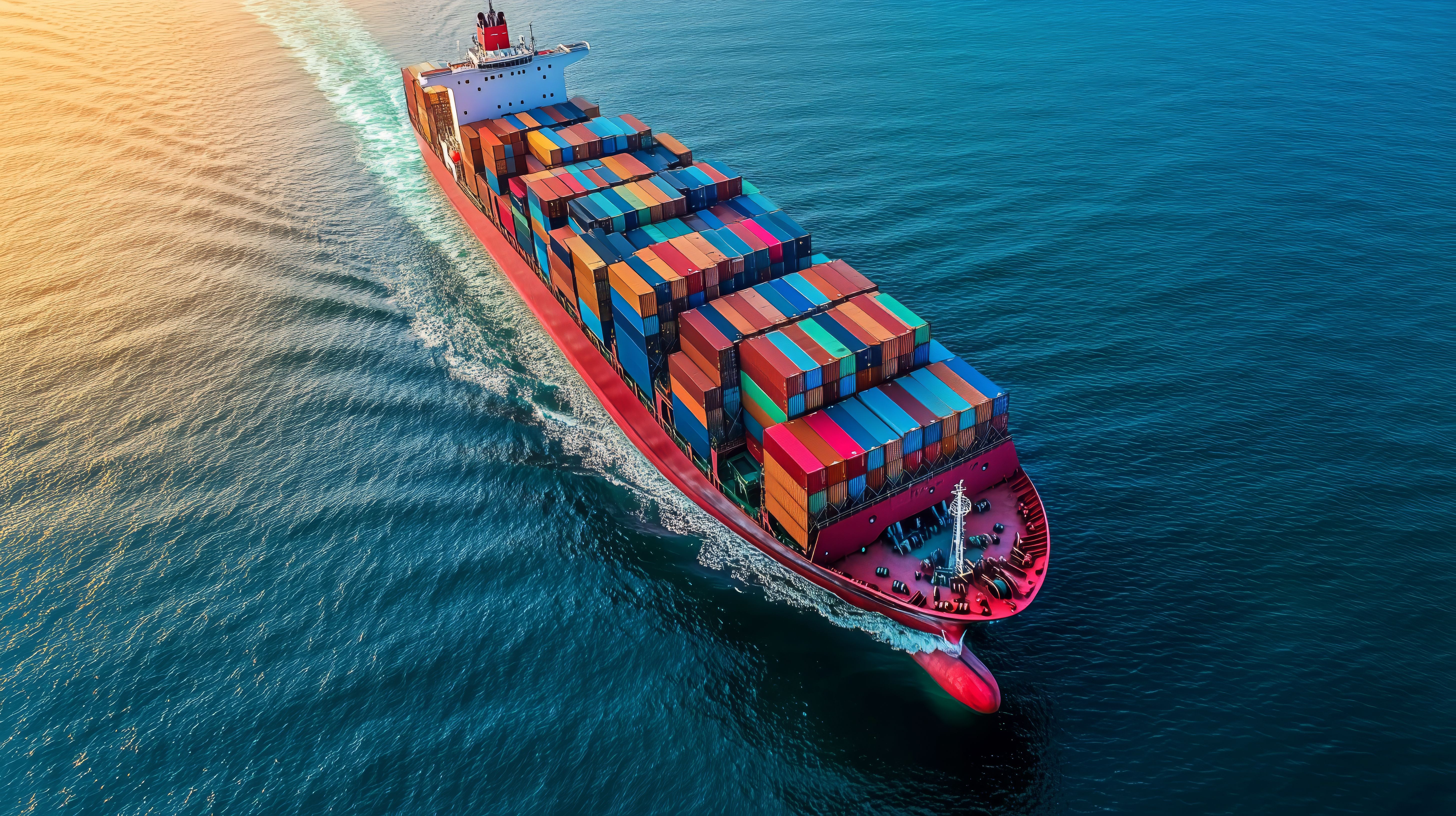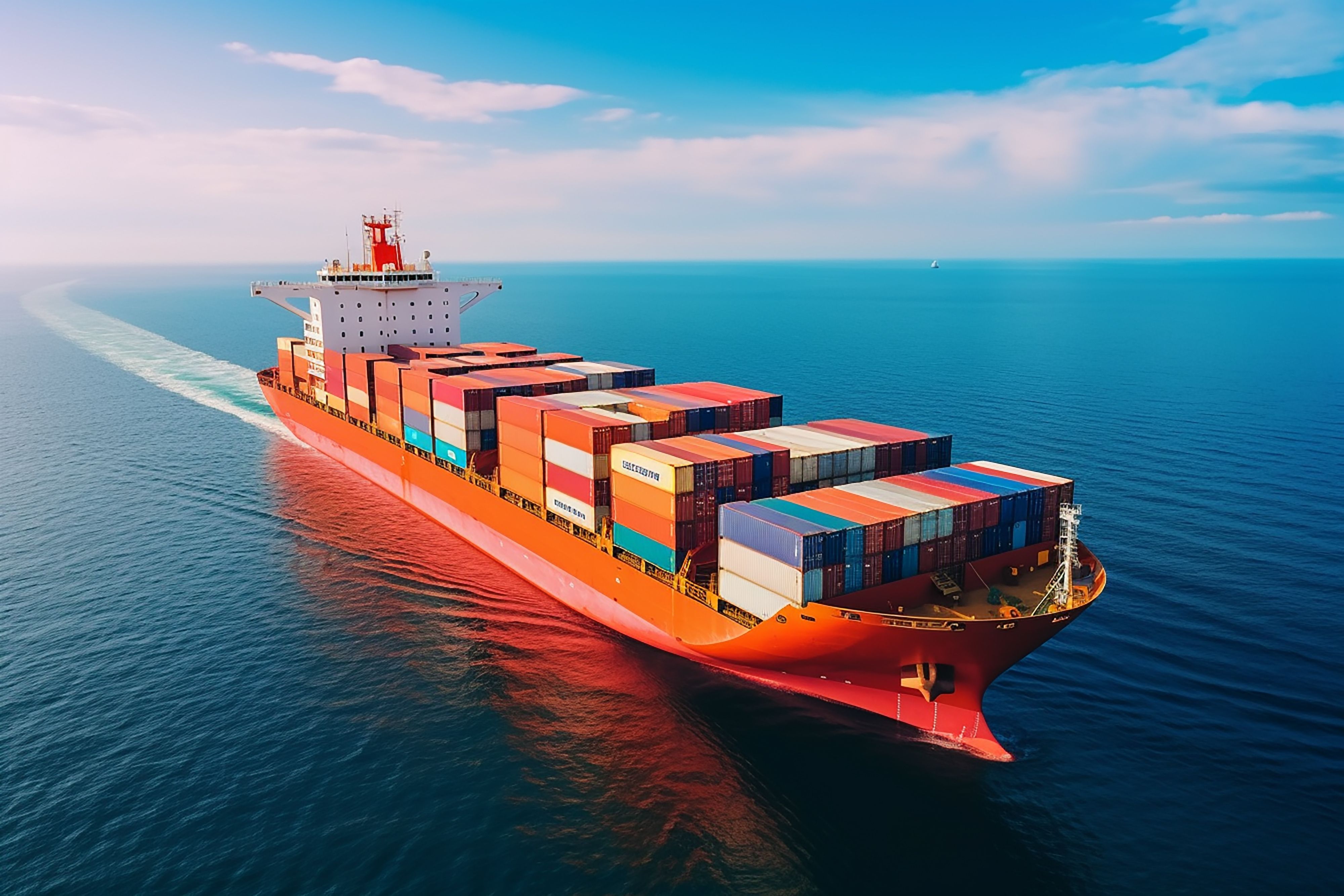
Container shipping to Nigeria is the backbone of international trade, enabling businesses to move goods efficiently across continents using standardized 20ft and 40ft containers.
From Asia, Europe, or North America, goods are securely packed into containers and shipped via ocean freight to major Nigerian ports such as Apapa, Tin Can Island, and Onne.
However, successful container shipping is not just about moving cargo, it requires accurate documentation, regulatory compliance, and coordinated logistics execution.
In this guide, we break down the complete container shipping process to Nigeria, from supplier origin to final clearance.
Understanding Container Shipping to Nigeria Container shipping involves transporting goods in sealed containers via ocean freight. It is ideal for:
- Bulk cargo
- Industrial equipment
- Consumer goods
- Raw materials
Common Container Types
- 20ft Container – Standard cargo
- 40ft Container – High-volume shipments
- High Cube (HC) – Extra height cargo
- Open Top / Flat Rack – Oversized cargo
Pre-Shipment Planning: The Most Critical Step Before initiating shipment, proper analysis is essential to avoid delays, penalties, or cargo rejection.
Key Questions to Answer
What is the nature of the goods?
What is the country of origin?
What is the correct HS Code?
Is the product permitted for import into Nigeria?
What container type is required? Failing to answer these questions correctly can lead to:
Customs delays
Incorrect duty assessment
Shipment rejection
Step-by-Step Container Shipping Process to Nigeria
- Opening Form M The Form M is a mandatory import document required by the Nigerian government.
Process: Open Form M via an authorized dealer bank
Submit product details, supplier info, and value
Ensure compliance with import regulations
💡 Pro Tip: Always validate your shipment details before opening Form M to avoid costly corrections later.
- Supplier Shipment & Container Loading Once Form M is approved:
The importer sends Form M to the supplier
Supplier prepares goods for export
Container is loaded and booked for shipment
- Shipping Documentation Preparation The supplier provides key shipping documents, including:
Bill of Lading (B/L)
Commercial Invoice
Packing List
Combined Certificate of Value and Origin (CCVO)
These documents are sent through banking channels to the importer in Nigeria.
- PAAR Processing (Pre-Arrival Assessment Report) The authorized dealer bank processes the PAAR, which determines:
Applicable duties
Customs valuation
Clearance requirements
Without PAAR, cargo cannot be cleared.
- Customs Clearance Preparation The importer submits all documents to a licensed clearing agent:
- Form M
- PAAR
- Bill of Lading
- Regulatory certificates (if required)
- This ensures smooth customs processing upon arrival.
- Ocean Freight Transit to Nigeria The container is shipped from origin countries such as:
China
India
Germany
USA
UK
UAE
Netherlands
Transit time typically ranges from:
4–8 weeks depending on origin and route
- Port Arrival & Clearance Upon arrival at Nigerian ports (Apapa, Tin Can, Onne):
- Terminal charges are issued
- Customs inspection may occur
- Duties and taxes are paid
- Container is cleared and released
- Final Delivery After clearance:
- Container is transported to the consignee’s warehouse
- Goods are offloaded
- Container returned to shipping line
Common Challenges in Container Shipping to Nigeria Incorrect HS code classification
Documentation inconsistencies
Delays in PAAR processing
Port congestion
Regulatory compliance issues
How to Avoid Delays ✔ Conduct proper shipment analysis before Form M ✔ Ensure documentation accuracy ✔ Work with experienced freight forwarders ✔ Track shipments proactively ✔ Plan for port and customs timelines
How Novoinno Supports Your Container Shipping At Novoinno, we simplify complex shipping processes through:
End-to-end freight forwarding
Form M and PAAR guidance
Customs clearance expertise
Real-time shipment visibility
Door-to-door delivery solutions
We help businesses and individuals move 20ft, 40ft, and specialized containers seamlessly into Nigeria.
Final Thoughts Container shipping to Nigeria is a structured process, but success depends on precision, compliance, and coordination.
Businesses that plan properly and partner with the right logistics provider avoid delays, reduce costs, and improve delivery timelines.
Shipping containers to Nigeria doesn’t have to be complicated.
Let Novoinno handle your freight forwarding, documentation, and customs clearance, so you can focus on your business.
👉 Request a free consultation today and move your cargo with confidence.