Novoinno Trade Pulse — Week of June 16, 2026
Global Trade Remains Strong, But Complexity Is Increasing
Global trade activity remains healthy as businesses continue moving goods across major markets. However, while freight networks are relatively stable, companies are facing increasing pressure from compliance requirements, sourcing risks, and cost management challenges.
The focus for importers is shifting.
Success is no longer determined solely by securing suppliers or booking shipments. Businesses are increasingly competing on how effectively they manage documentation, compliance, costs, and supply chain resilience.
This week's trade pulse highlights the trends shaping global trade and what they mean for importers.
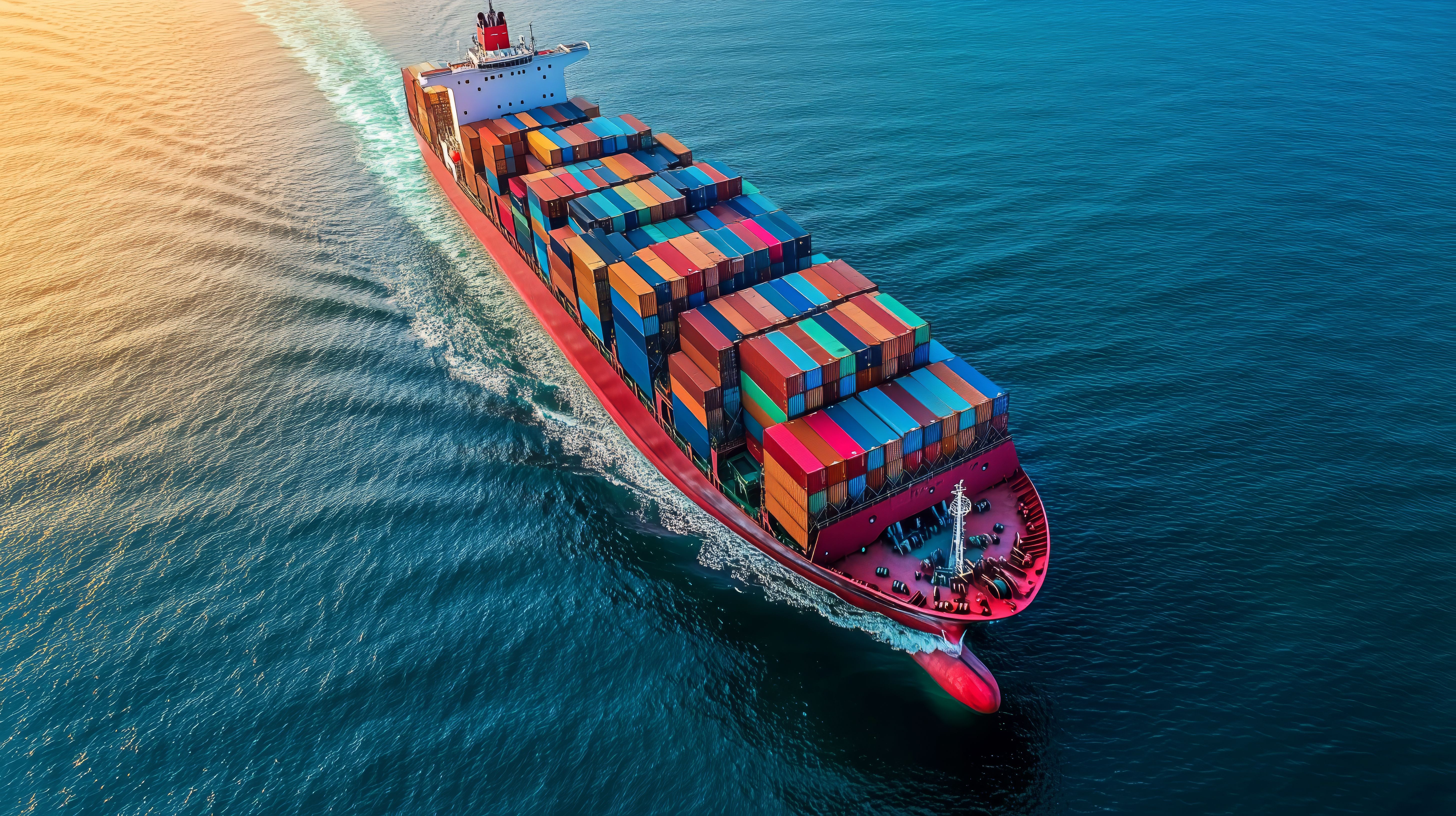
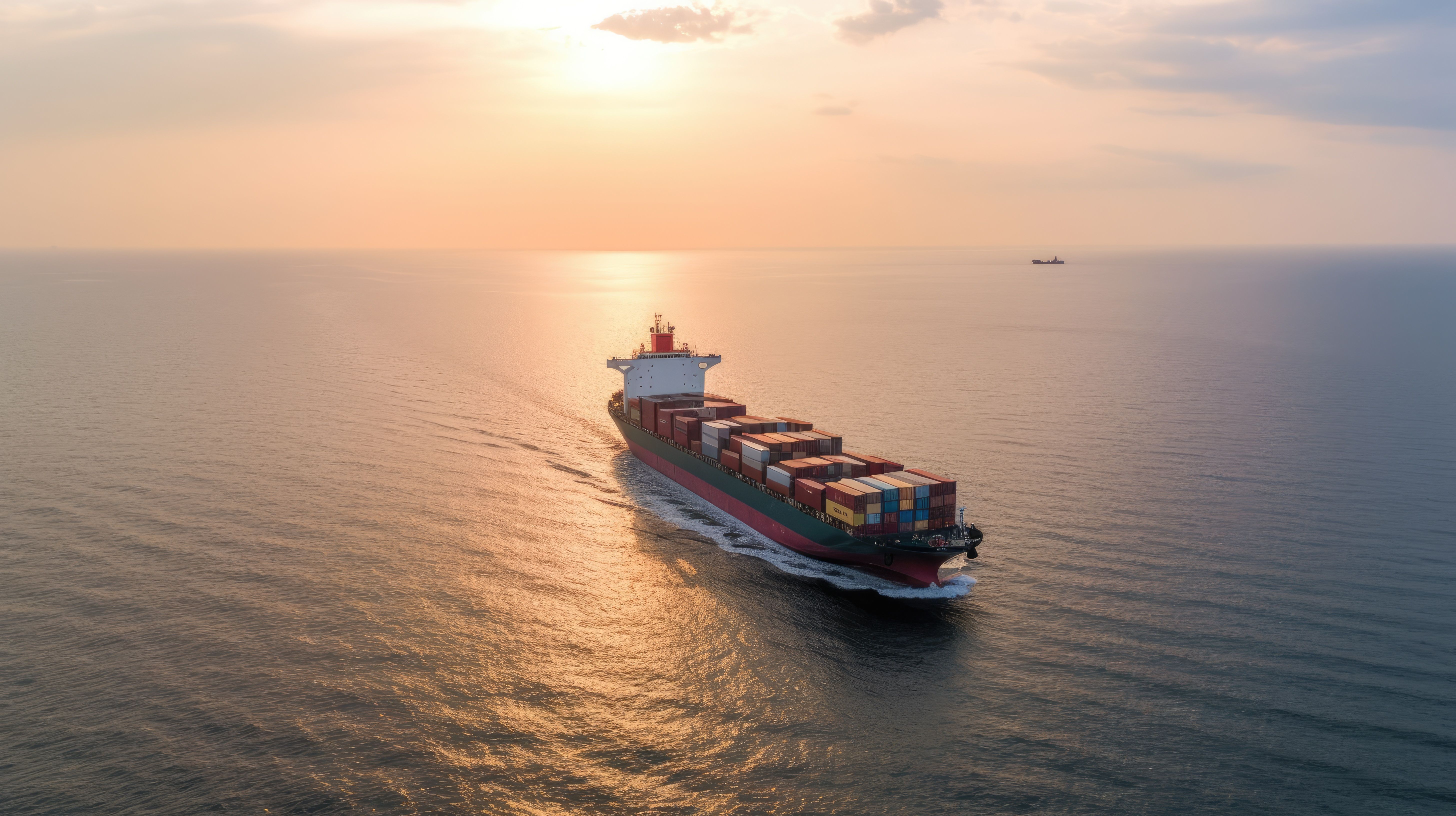
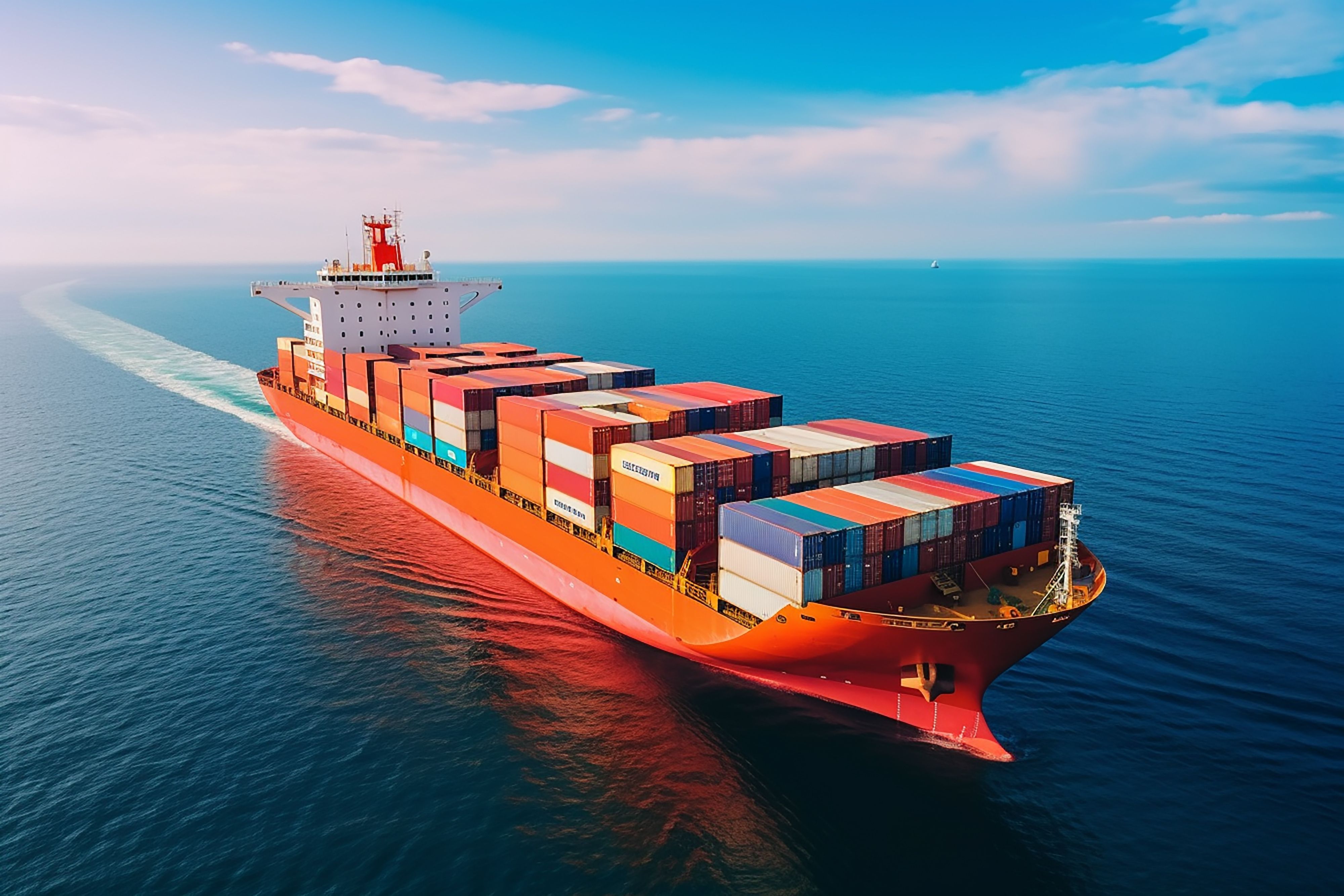
🚢 Sea Freight Remains Stable, But Route Risks Continue
Ocean freight markets continue to operate under relatively stable conditions. Schedule reliability has improved compared to previous periods, and capacity remains available across many key trade corridors. However, geopolitical developments continue to influence global shipping networks and routing decisions.
What this means for importers Sea freight remains the most cost-effective option for many shipments, but businesses should not assume that stability eliminates risk. Changes in global events can still affect transit times and route availability.
Recommended action Maintain flexibility in shipment planning and build reasonable buffer periods into delivery schedules.
✈️ Air Freight Continues to Support Time-Sensitive Supply Chains
Air freight remains an important option for businesses requiring speed and reliability. Demand continues to be driven by sectors such as electronics, technology, and high-value goods.
Current conditions show:
- Stable capacity across many routes
- Strong demand for urgent cargo
- Route-specific pricing fluctuations
- Continued investment in air cargo infrastructure
What this means for importers Air freight remains a dependable solution for businesses where speed is critical.
Recommended action Secure bookings early and monitor pricing closely for time-sensitive shipments.
⚖️ Compliance Is Becoming a Major Competitive Advantage
Many importers are discovering that customs compliance now creates more delays than freight transportation itself.
Authorities are increasing scrutiny around:
- HS code classifications
- Product descriptions
- Country-of-origin declarations
- Regulatory documentation
A shipment can move efficiently through the transportation process and still face significant delays during customs clearance if documentation is inaccurate.
What this means for importers Documentation quality has become a critical part of supply chain performance.
Recommended action Review and validate all shipment documents before cargo moves.
🌍 Supplier Diversification Is Accelerating
Businesses are increasingly looking beyond single sourcing markets. Rather than relying on one supplier or one country, many companies are building broader sourcing networks to improve resilience and reduce risk.
This trend is being driven by:
- Geopolitical uncertainty
- Tariff changes
- Supply chain disruptions
- Risk management priorities
What this means for importers Supplier diversification is becoming a long-term strategy rather than a temporary response.
Recommended action Identify backup suppliers and alternative sourcing options before disruptions occur.
💱 Landed Cost Visibility Is More Important Than Freight Rates Alone
While freight rates have stabilised in many markets, total landed costs remain influenced by multiple factors. These include:
- Customs duties
- Regulatory charges
- Currency fluctuations
- Storage fees
- Clearance costs
Businesses that focus only on freight pricing may underestimate the true cost of importing.
What this means for importers Accurate landed cost calculations are essential for maintaining margins and making informed purchasing decisions.
Recommended action Review landed costs regularly and account for all logistics-related expenses.
🧠 What Smart Importers Are Doing
Leading importers are:
- Reviewing customs documentation before shipment
- Building supplier backup plans
- Improving shipment visibility
- Monitoring total landed costs
- Planning inventory with greater flexibility
These businesses are focusing on resilience rather than simply chasing the lowest cost.
📌 Conclusion
Global trade remains active and resilient, but the environment is becoming more complex.
Stable freight conditions alone are no longer enough to guarantee success. Businesses that prioritise compliance, cost visibility, supplier diversification, and operational planning will be best positioned to navigate future challenges.
The companies that succeed in today's market are not necessarily moving faster. They are making better-informed decisions.
How Novoinno Helps
Whether you source it yourself or need us to source it for you — we move it, clear it, and deliver it. At Novoinno, we help businesses:
- ✔ Source from trusted suppliers across China, the US, UK, Canada, and other global markets
- ✔ Validate supplier and shipment documentation
- ✔ Manage procurement, supplier payments, sea freight, and air freight through a single workflow
- ✔ Improve landed cost visibility
- ✔ Monitor route, compliance, and regulatory risks
- ✔ Build resilient supply chains for long-term growth
Work With Novoinno
📞 Call/WhatsApp: +234 703 706 7376 📧 Email: support@novoinno.com
Source smarter. Ship confidently. Grow globally.