Global trade conditions remain volatile, with multiple pressure points now affecting how goods are produced, shipped, cleared, and delivered.
This week reflects continued geopolitical disruption, fragmented freight pricing, tightening booking conditions, and increasing execution risk after cargo arrival.
For importers and supply chain operators, the challenge is no longer just movement — it is maintaining control across timelines, costs, and visibility.
Here’s what’s happening and what it means for your business.
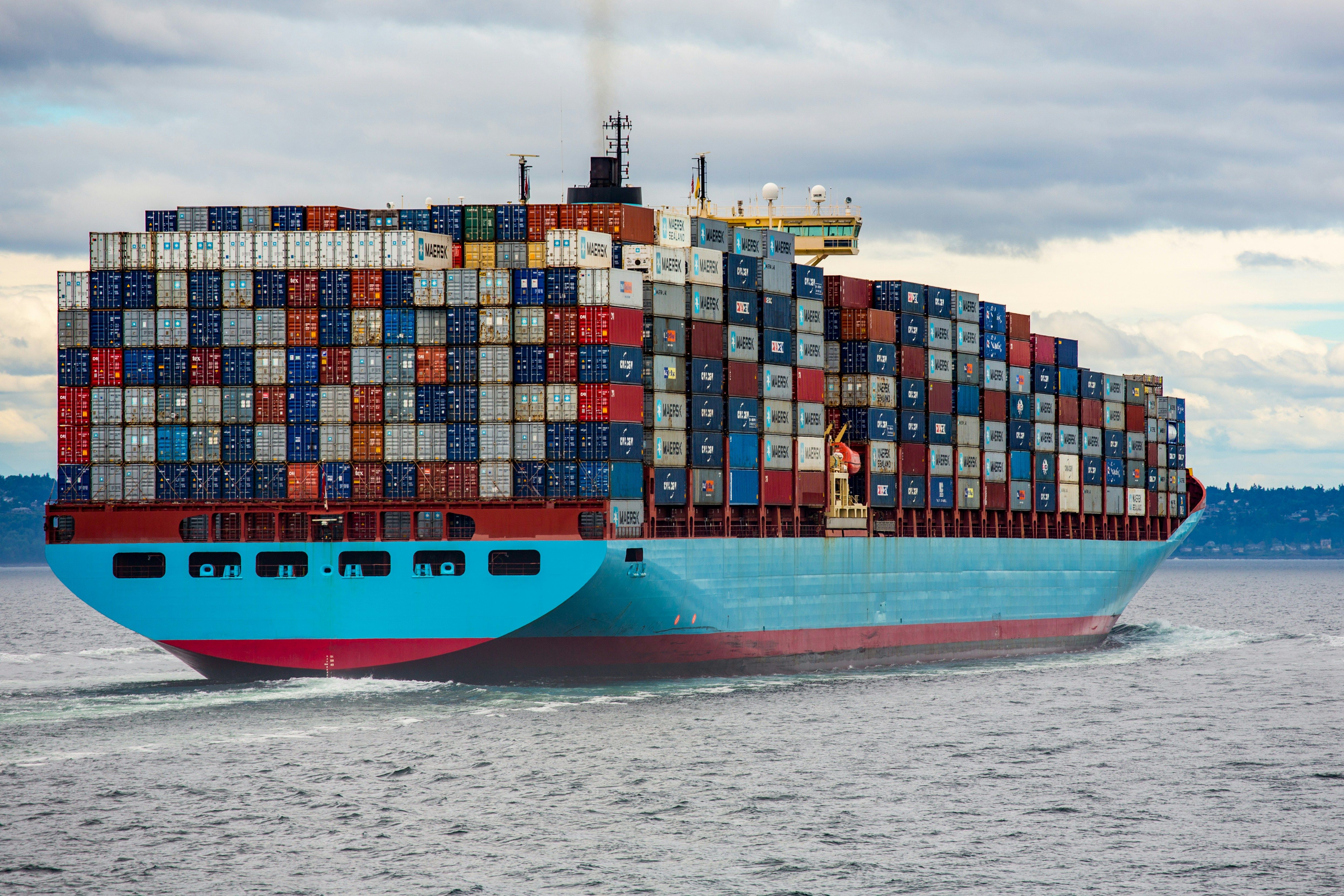
🚢 Geopolitical Pressure Continuing to Disrupt Shipping Routes Shipping networks remain under strain as carriers continue adjusting routes to avoid high-risk regions.
Rather than following traditional corridors, vessels are:
Taking longer alternative routes
Adjusting schedules with added buffers
Reducing exposure to certain ports and zones
What this means Transit times are now inconsistent, even on previously stable lanes. Freight costs can change after booking due to rerouting and added surcharges.
What to do Avoid rigid delivery timelines — build flexibility into planning and communicate potential variability early.
📦 Freight Market Still Fragmented — No Clear Pricing Direction The freight market continues to split into different patterns:
High-risk or high-demand lanes → rising or volatile pricing
Lower-demand corridors → softer or unstable rates
What this means There is no longer a reliable “average freight rate.” Pricing now depends heavily on route, timing, and carrier strategy.
What to do Always compare multiple shipping options before booking — don’t rely on a single quote or lane assumption.
🌏 Production & Booking Pressure Building Across Asia Beyond logistics, supplier-side pressure is increasing.
Across key manufacturing hubs:
Production lead times are being quietly extended
Suppliers are adjusting to demand uncertainty
Forward bookings are increasing
At the same time, competition for vessel space is rising.
What this means Late bookings carry higher cost and delay risk
Space availability can tighten unexpectedly
Production timelines are becoming less predictable
What to do Align production schedules with early booking strategies to secure space and reduce last-minute risk.
⚖️ Compliance & Documentation Scrutiny Increasing Customs enforcement is tightening across multiple markets, including Nigeria.
Key focus areas include:
HS code accuracy
Invoice and packing list consistency
Product classification
What this means Even small documentation errors can result in:
Inspection delays
Clearance bottlenecks
Additional duty exposure
What to do Validate all documentation before shipment — not after arrival.
🚧 Post-Arrival Delays Becoming a Major Risk Area A major shift in global logistics is where delays are happening.
Instead of occurring during transit, delays are increasingly happening after cargo arrives.
Key bottlenecks include:
Terminal congestion and handling delays
Customs clearance backlogs
Inland transportation constraints
What this means Arrival at port does not guarantee delivery timelines. Cargo can remain delayed well beyond arrival.
What to do Plan beyond port arrival and maintain visibility through clearance and final delivery stages.
💱 Cost Predictability Remains Weak Across freight, FX, and compliance-related costs:
Landed cost remains unstable
Pricing assumptions often change mid-shipment
What this means Margins are increasingly exposed across the entire shipment lifecycle — not just at sourcing.
What to do Continuously update landed cost models and avoid fixed pricing assumptions.
✈️ Air Freight Snapshot Air freight continues to support urgent shipments, but with constraints:
Capacity tightening on key corridors
Increased demand for time-sensitive cargo
Spot rate fluctuations based on urgency
Shorter booking windows
What this means Air freight remains reliable — but more competitive and cost-sensitive.
🧠 What This Means for Your Business This week’s signals highlight a clear reality:
Global trade is no longer experiencing isolated disruption — it is operating under layered, interconnected pressure.
Routes are less predictable
Costs are less stable
Timelines are less reliable
Execution risk is increasing
Businesses that rely on static planning will struggle. Those that adapt dynamically will maintain control.
🛠 How Novoinno Supports You At Novoinno, we help businesses navigate this complexity with:
✔ Route risk identification before shipment ✔ Multi-option freight planning (cost vs speed vs risk) ✔ Pre-shipment documentation validation ✔ End-to-end shipment visibility ✔ Landed cost clarity in volatile conditions
📌 Conclusion: Control Comes From Preparation This is not a temporary phase — it reflects a structural shift in global trade.
Success now depends on:
Planning earlier
Validating more thoroughly
Maintaining visibility across the entire shipment journey
The advantage goes to businesses that act before disruption hits — not after.
Work With Novoinno If you have upcoming shipments, now is the time to plan with clarity.
At Novoinno, we help you reduce risk, control costs, and move cargo with confidence — from supplier to final delivery.
📞 +234 703 706 7376 📧 support@novoinno.com
Stay ahead of global trade shifts — not behind them.