Novoinno Trade Pulse — Global Supply Chain Intelligence (Week of July 14, 2026)
Novoinno
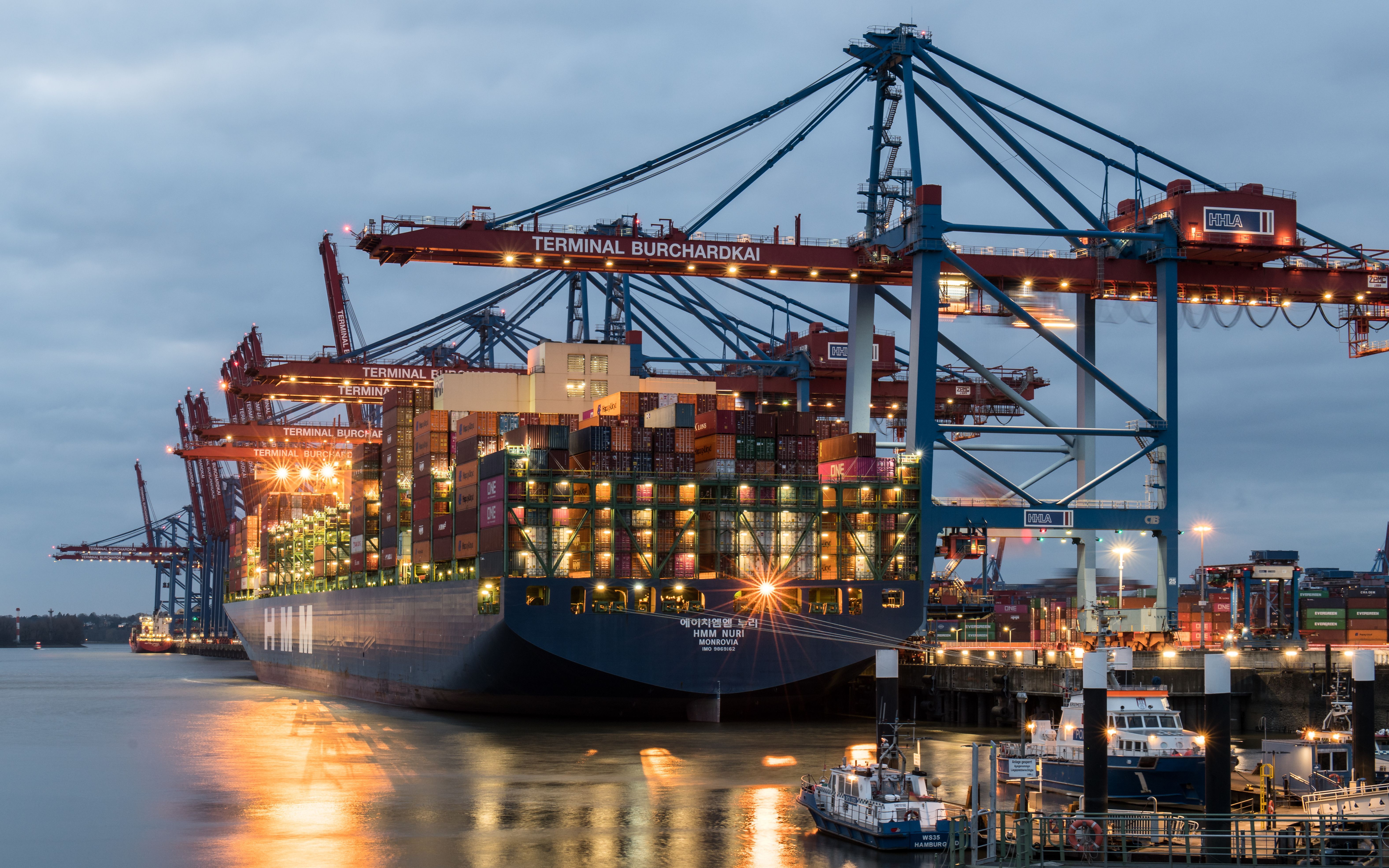
Why Supply Chain Visibility and Resilient Sourcing Are Defining Success in 2026
Global trade continues to move forward, but the rules of success are changing.
Freight markets have become more stable than they were earlier in the year, yet businesses are still operating in an environment shaped by shifting trade policies, geopolitical uncertainty, and increasing regulatory scrutiny. At the same time, companies are rethinking where they source products, how they move cargo, and how they manage supply chain risks.
The businesses that perform best in today's market are not simply finding the lowest freight rates. They are building resilient supply chains, strengthening supplier relationships, and improving visibility from procurement to final delivery.
Here's what shaped global trade this week and what it means for importers.
Supplier Diversification Is No Longer Optional
For many years, businesses relied heavily on a single sourcing market because it offered lower production costs and established supplier networks. Today, that strategy carries greater risk.
Tariff uncertainty, geopolitical developments, and supply chain disruptions have encouraged companies to expand sourcing across multiple countries. Rather than depending on one supplier or one region, businesses are creating more flexible procurement strategies that improve business continuity.
What this means
Diversifying suppliers reduces exposure to unexpected disruptions and provides businesses with greater flexibility when market conditions change.
What businesses should do
- Evaluate alternative sourcing markets.
- Build relationships with backup suppliers.
- Regularly assess supplier performance and reliability.
- Avoid relying on a single source for critical products.
Sea Freight Is More Stable, But Planning Ahead Still Matters
Ocean freight conditions have improved compared to earlier periods of disruption. Capacity has increased across several trade lanes, helping ease some pressure on shipping schedules.
However, freight rates remain above historical averages, and carriers continue to manage capacity carefully to balance demand. Importers should not assume that lower disruption automatically means lower costs.
What this means
Businesses that secure bookings early are more likely to benefit from better schedules, improved space availability, and greater control over logistics costs.
Best practice
- Book shipments as early as possible.
- Review shipping schedules regularly.
- Build flexibility into delivery timelines.
- Monitor freight market trends before making purchasing decisions.
Air Freight Continues to Support High-Priority Cargo
Air freight remains an essential part of global logistics for businesses moving urgent, high-value, or time-sensitive products. Electronics, pharmaceuticals, industrial components, and premium consumer goods continue to drive demand across international air cargo networks.
Although pricing varies depending on origin, destination, and seasonal demand, air freight remains the fastest option for businesses that cannot afford extended transit times.
What this means
Choosing between sea and air freight should be based on product value, urgency, inventory strategy, and total landed cost rather than transportation cost alone.
Customs Compliance Is Becoming a Competitive Advantage
Across international trade, customs authorities are increasing their focus on documentation accuracy and regulatory compliance. Incorrect HS codes, incomplete commercial invoices, inaccurate country of origin declarations, or missing certificates can delay shipments even when transportation proceeds as planned.
Compliance has become one of the most important factors influencing supply chain performance.
Businesses should carefully review
- HS code classifications
- Commercial invoices
- Packing lists
- Country of origin declarations
- Product descriptions
- Regulatory certificates and permits
Accurate documentation reduces delays, lowers compliance risks, and supports smoother customs clearance.
End-to-End Visibility Is Transforming Supply Chain Management
One of the biggest changes in global logistics is the growing importance of supply chain visibility. Businesses want more than shipment tracking — they want complete visibility into every stage of the supply chain, from supplier production through international transportation and final delivery.
Greater visibility enables companies to
- Identify delays earlier.
- Improve communication with customers.
- Manage inventory more effectively.
- Reduce unexpected logistics costs.
- Respond quickly when disruptions occur.
Companies that invest in supply chain visibility are often able to make faster and more informed operational decisions.
Understanding Your True Landed Cost
Freight charges represent only one part of the cost of importing. Successful importers evaluate the complete landed cost before making purchasing decisions.
This includes
- Freight charges
- Customs duties
- Insurance
- Port handling fees
- Storage charges
- Inspection costs
- Inland transportation
- Compliance expenses
Understanding total landed cost helps businesses improve pricing, protect margins, and make more informed sourcing decisions.
What Smart Importers Are Doing
Leading importers are strengthening their operations by:
- Diversifying supplier networks.
- Booking freight earlier.
- Auditing customs documentation before shipment.
- Tracking cargo throughout the supply chain.
- Reviewing total landed costs instead of freight rates alone.
- Building contingency plans for unexpected disruptions.
Rather than reacting to problems, they are preparing for them.
How Novoinno Helps
At Novoinno, we help businesses simplify international sourcing and logistics through end-to-end supply chain solutions.
Our services include
- Global sourcing from China, the United States, the United Kingdom, Canada, and other international markets.
- Supplier verification and procurement support.
- Sea freight and air freight solutions.
- Supplier payment assistance.
- Customs documentation guidance.
- Shipment tracking and visibility.
- Landed cost planning.
- Supply chain risk management.
Whether you're importing a single shipment or managing a complex procurement operation, our goal is to help you source smarter, ship confidently, and grow globally.
Final Thoughts
Global trade is becoming more resilient, but it is also becoming more complex.
Freight stability alone is no longer enough to guarantee successful imports. Businesses must also focus on supplier diversification, customs compliance, shipment visibility, and proactive planning.
The companies that invest in these areas today will be better equipped to manage costs, minimise delays, and build stronger supply chains for the future.
Work With Novoinno
Looking for a trusted partner to simplify your sourcing and international shipping?
Source smarter. Ship confidently. Grow globally.