Novoinno Trade Pulse — Global Supply Chain Intelligence (Week of July 7, 2026)
Novoinno
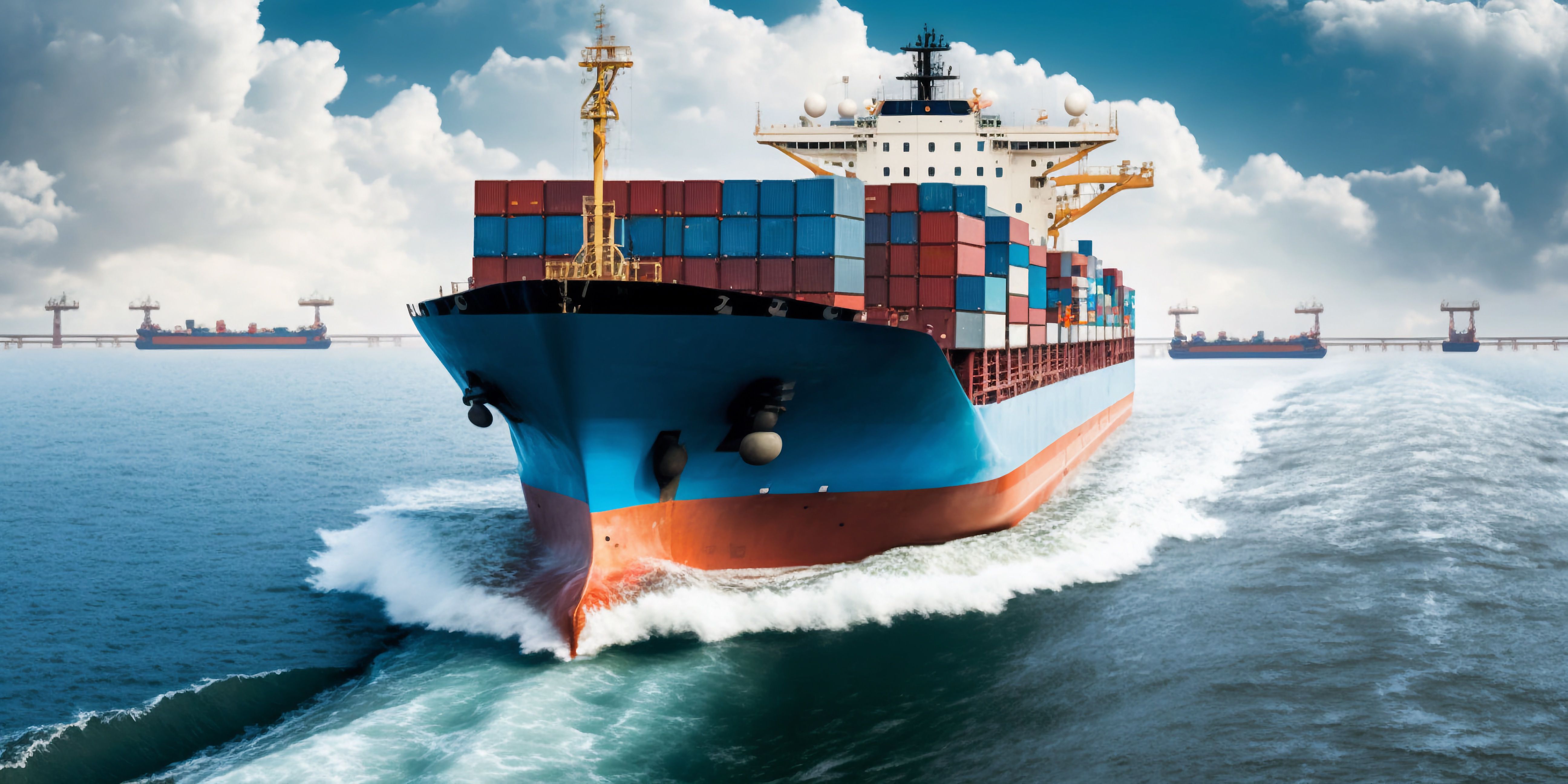
Global Trade Update: Supply Chains Are Stabilising, But Importers Still Need to Stay Prepared
Global trade is beginning to show signs of recovery following months of disruption, but businesses should not mistake improving conditions for a return to normal.
While some supply chain pressures have eased, importers are still navigating early peak season demand, port congestion, evolving trade policies, and increasingly complex customs requirements. These factors continue to influence shipping costs, transit times, and inventory planning.
For businesses involved in international sourcing, procurement, and logistics, the second half of 2026 will reward preparation over reaction.
Here's what shaped global trade this week and what it means for your business.
🔄 Supply Chain Pressures Are Beginning to Ease
Recent improvements in global logistics suggest that supply chain conditions are gradually becoming more stable. As disruptions linked to recent geopolitical tensions begin to ease, shipping networks are recovering and operational efficiency is improving across several trade corridors.
However, global supply chains remain more fragile than they were before these disruptions. Businesses should continue planning with flexibility rather than assuming that normal service levels have fully returned.
What this means Recovery is underway, but uncertainty remains. Businesses that continue to build resilience into their operations will be better positioned to respond if conditions change again.
🚢 Sea Freight Is Entering Peak Season Earlier Than Expected
Ocean freight is once again becoming a major focus for importers. Peak season demand is arriving earlier than usual, creating tighter vessel capacity across several major trade routes. At the same time, congestion at key ports is extending waiting times and reducing schedule reliability.
As carriers carefully manage available capacity, freight rates remain under upward pressure.
What this means Businesses that delay bookings may experience:
- Higher freight costs
- Longer booking lead times
- Limited sailing options
- Greater risk of shipment delays
What businesses should do Book shipments as early as possible and maintain regular communication with logistics partners to secure capacity before demand intensifies further.
✈️ Air Freight Continues to Support Time-Sensitive Shipments
Air freight remains an important solution for businesses that require speed and reliability. Demand continues to be driven by technology products, electronics, healthcare supplies, and urgent commercial shipments. Although capacity remains relatively stable across many routes, pricing continues to vary depending on origin, destination, and market demand.
What this means Air freight continues to provide flexibility for businesses managing urgent inventory requirements or responding to unexpected demand.
What businesses should do Plan urgent shipments in advance and compare available routing options to optimise both cost and transit time.
⚖️ Customs Compliance Is More Important Than Ever
Transportation is only one part of a successful import process. Across global markets, customs authorities continue to increase scrutiny of import documentation. Errors that may have previously gone unnoticed are now more likely to result in inspections, delays, additional costs, or penalties.
Importers should pay particular attention to:
- HS code classifications
- Country of origin declarations
- Commercial invoices
- Packing lists
- Regulatory certificates
- Product descriptions
What this means Accurate documentation has become a competitive advantage. Businesses that invest time in getting paperwork right can reduce delays and improve supply chain performance.
🌍 Geopolitical Developments Continue to Influence Global Trade
Although recent diplomatic progress has reduced some immediate supply chain pressure, geopolitical developments continue to influence global logistics. Shipping routes, fuel costs, insurance premiums, and carrier decisions remain sensitive to international events.
Businesses should continue monitoring developments and avoid relying on a single sourcing market or shipping route.
What this means Risk management should remain an ongoing part of supply chain planning rather than a response to disruption.
💱 Understanding Your Total Landed Cost
Many businesses continue to focus primarily on freight charges when planning imports. However, the true cost of importing extends well beyond transportation.
Your total landed cost may include:
- Freight charges
- Customs duties
- Port handling fees
- Storage charges
- Inspection costs
- Insurance
- Inland transportation
- Regulatory compliance expenses
Understanding these costs before purchasing decisions are made allows businesses to price products more accurately and protect profit margins.
🧠 What Smart Importers Are Doing
Leading importers are strengthening their supply chains by:
- Booking freight earlier
- Reviewing customs documentation before shipment
- Diversifying supplier networks
- Monitoring total landed costs
- Building contingency plans
- Tracking shipments from supplier pickup through final delivery
These businesses recognise that resilience has become just as important as cost efficiency.
How Novoinno Helps
Whether you source it yourself or need us to source it for you — we move it, clear it, and deliver it. At Novoinno, we help businesses simplify international sourcing and logistics through end-to-end supply chain support.
Our services include:
- ✔ Global sourcing from China, the United States, the United Kingdom, Canada, and other international markets
- ✔ Supplier verification and procurement support
- ✔ Sea freight and air freight management
- ✔ Supplier payment solutions
- ✔ Customs documentation guidance
- ✔ Shipment tracking and visibility
- ✔ Landed cost planning
- ✔ Supply chain risk management
Whether you're importing a single shipment or managing an ongoing procurement programme, we help you move with confidence.
📌 Final Thoughts
Global trade is becoming more stable, but stability does not eliminate risk.
Early peak season demand, port congestion, evolving regulations, and customs compliance requirements mean businesses must continue planning ahead.
The companies that succeed in today's environment will not simply react to disruptions. They will build resilient supply chains that allow them to adapt quickly, control costs, and keep goods moving efficiently.
Preparation remains one of the most valuable competitive advantages in international trade.
Work With Novoinno
Looking to simplify your sourcing, procurement, or international shipping operations?
📞 Call/WhatsApp: +234 703 706 7376 📧 Email: support@novoinno.com
Source smarter. Ship confidently. Grow globally.