Global Trade Is Stable, But Execution Still Determines Success
The global trade environment continues to show signs of stability. Major shipping routes remain operational, freight rates are largely predictable, and capacity is available across many key corridors.
However, stability does not mean simplicity.
Many of the challenges businesses face today have shifted away from major disruptions and toward execution. Documentation errors, delayed bookings, clearance bottlenecks, and poor planning continue to create avoidable costs and delays.
This week's trade pulse highlights the areas importers should be paying close attention to.
🚢 Ocean Freight Conditions Remain Relatively Stable
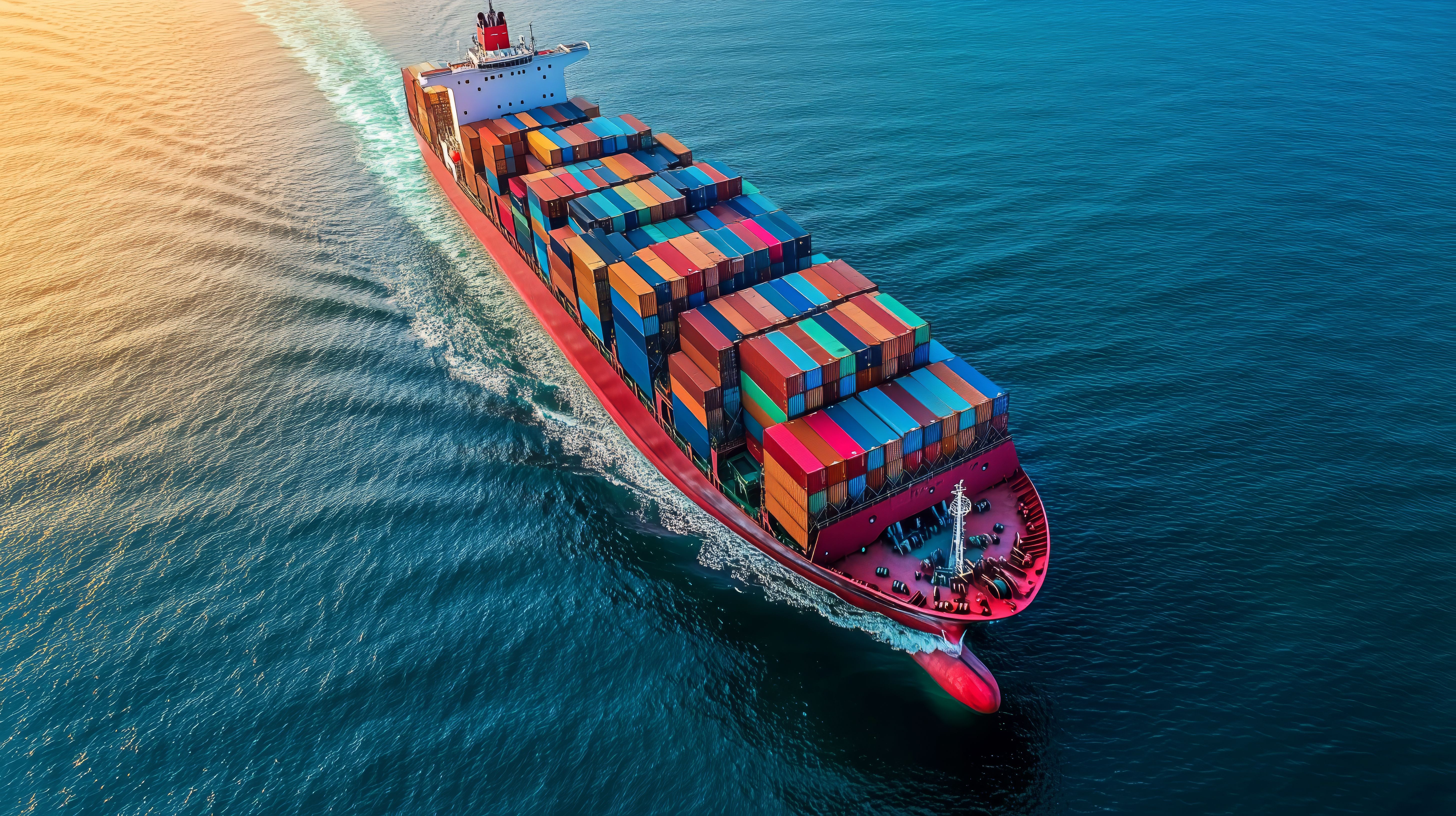
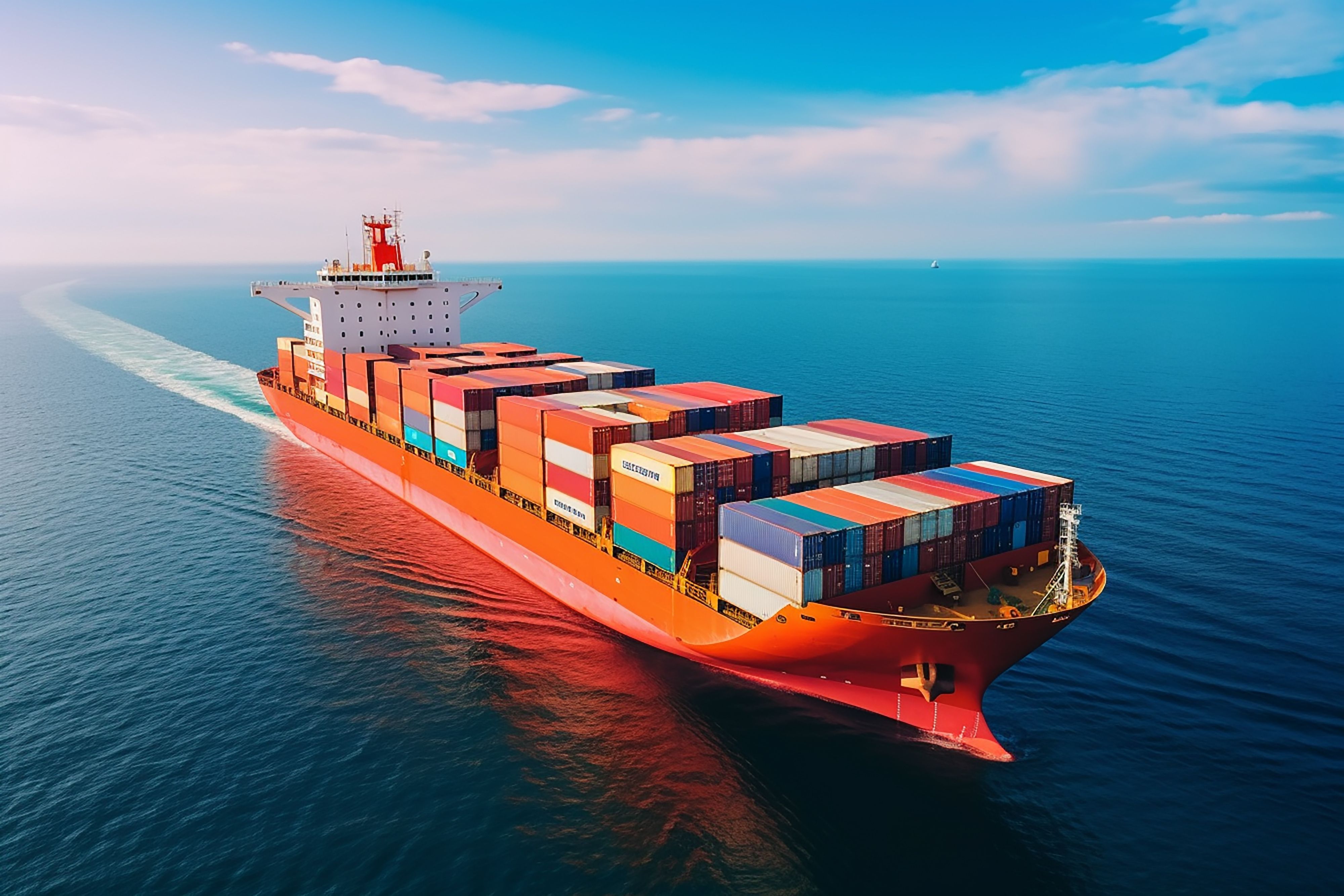
Ocean freight markets continue to operate with fewer disruptions than earlier periods. Carriers are maintaining more reliable schedules, and transit visibility has improved across several major trade routes.
This improved stability allows businesses to plan shipments with greater confidence.
What this means for importers While transit timelines have become more predictable, businesses should still avoid treating estimated delivery dates as guarantees. Unexpected disruptions can still occur, particularly on high-volume routes.
Recommended approach Maintain delivery buffers and continue monitoring shipments throughout transit.
📦 Freight Rates Are Stable, But Pressure Is Building on Some Routes
Freight pricing remains relatively steady across many shipping lanes. However, demand is beginning to increase in certain markets, creating upward pressure on rates. Some carriers are also becoming more selective about how capacity is allocated.
What this means for importers Current market conditions offer an opportunity to secure favourable rates before demand increases further.
Recommended approach Confirm bookings early and secure pricing before capacity tightens.
🌏 Capacity Is Available, But Timing Has Become More Important
Unlike previous periods where capacity shortages dominated headlines, space is generally available on many routes. The challenge now is timing.
Businesses that plan ahead continue to secure better shipping options, while late bookings often face reduced flexibility.
What this means for importers Capacity is no longer the primary concern. Booking discipline is.
Recommended approach Align procurement schedules with shipping plans and avoid last-minute arrangements whenever possible.
⚖️ Documentation Accuracy Remains One of the Biggest Risk Factors
One of the most common causes of shipment delays continues to be documentation errors.
Issues such as:
- Incorrect HS codes
- Inaccurate invoice declarations
- Missing supporting documents
...can significantly delay customs clearance.
What this means for importers Even when freight moves smoothly, poor documentation can create expensive bottlenecks upon arrival.
Recommended approach Review all shipment documentation thoroughly before cargo leaves origin.
🚧 Post-Arrival Delays Continue to Affect Delivery Timelines
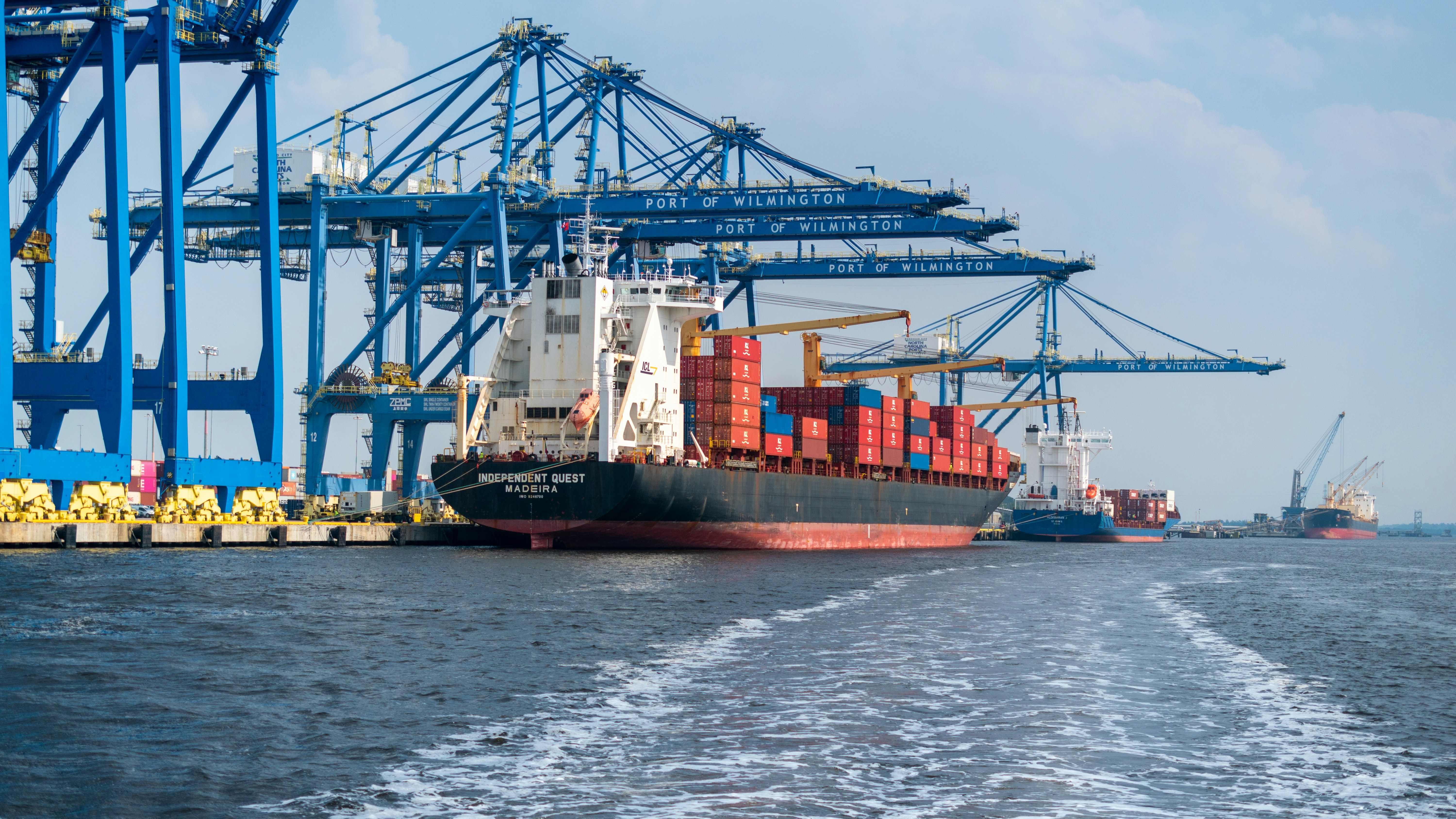
Many businesses still focus heavily on transit times while underestimating what happens after cargo arrives.
Delays continue to occur during:
- Terminal operations
- Customs processing
- Inland transportation
What this means for importers Port arrival should not be viewed as the end of the shipping process.
Recommended approach Maintain visibility throughout the entire logistics journey, from origin to final delivery.
💱 Cost Visibility Is Improving
Compared to earlier periods, businesses now have better visibility into shipping costs. However, landed costs remain influenced by several variables, including:
- Freight adjustments
- Exchange rate fluctuations
- Customs and clearance charges
What this means for importers Budgeting has become easier, but flexibility remains essential.
Recommended approach Regularly review cost assumptions and maintain contingency budgets.
✈️ Air Freight Snapshot
Air freight continues to serve as a reliable solution for time-sensitive shipments.
Current conditions show:
- Stable capacity across most routes
- Strong demand for urgent cargo
- Competitive transit times
- Route-specific rate variations
What this means for importers Air freight remains a valuable option when speed outweighs cost considerations.
🧠 What Smart Importers Are Doing Right Now
Successful importers are focusing on:
- Early booking strategies
- Documentation accuracy
- End-to-end shipment visibility
- Cost management
- Flexible delivery planning
Rather than reacting to disruptions, they are building systems that allow them to respond quickly when conditions change.
📌 Conclusion
Global trade conditions are becoming more predictable, but execution remains the deciding factor.
Businesses that succeed in this environment will be those that prioritise planning, documentation accuracy, and shipment visibility from origin to final delivery.
Stability creates opportunity — but only for businesses prepared to take advantage of it.
How Novoinno Helps
Whether you source it yourself or need us to source it for you — we move it, clear it, and deliver it. At Novoinno, we help businesses navigate changing trade conditions through:
- ✔ Strategic freight planning
- ✔ Capacity management
- ✔ Documentation and compliance support
- ✔ Customs clearance guidance
- ✔ End-to-end shipment visibility
Whether you're importing regularly or managing your first shipment, our team helps you move cargo with confidence.
Work With Novoinno
📞 Call/WhatsApp: +234 703 706 7376 📧 Email: support@novoinno.com
Stay informed. Plan early. Move smarter.