Novoinno Trade Pulse: Global Trade Update — Week of July 28, 2026
Novoinno
Novoinno Trade Pulse: Tariffs, Freight, and Compliance Signals This Week
Global supply chains continue to adapt to accelerating U.S. tariff activity, from new duties on Canadian and Brazilian imports to shifting trade frameworks with other partners. Freight markets are moving in two different directions this week: ocean rates are showing early signs of easing after weeks of sharp increases, while air freight rates continue to soften even as capacity stays tight on key routes.
Resilience and flexibility remain more valuable than chasing the cheapest rate. Here's what shaped global trade this week and what it means for importers.
Tariffs: A Fast-Moving Landscape
The past few weeks brought a new wave of U.S. tariff actions, including new duties on Brazilian imports, additional tariffs on select Canadian goods, and continued negotiations with Mexico as part of the broader USMCA review process. Trade officials have also signaled further tariff actions targeting a wide range of additional countries in the weeks ahead.
Why this matters
Tariff exposure is shifting country by country and week by week. Businesses that assume today's duty structure will hold next month are exposed to sudden cost changes with little warning.
What businesses should do
- Track tariff developments for every country in your supply chain, not just your primary sourcing market.
- Reassess landed cost models regularly rather than relying on figures from earlier in the year.
- Build flexibility into supplier contracts to absorb sudden tariff changes.
Sea Freight: Rates Surging, But Possibly Nearing a Ceiling
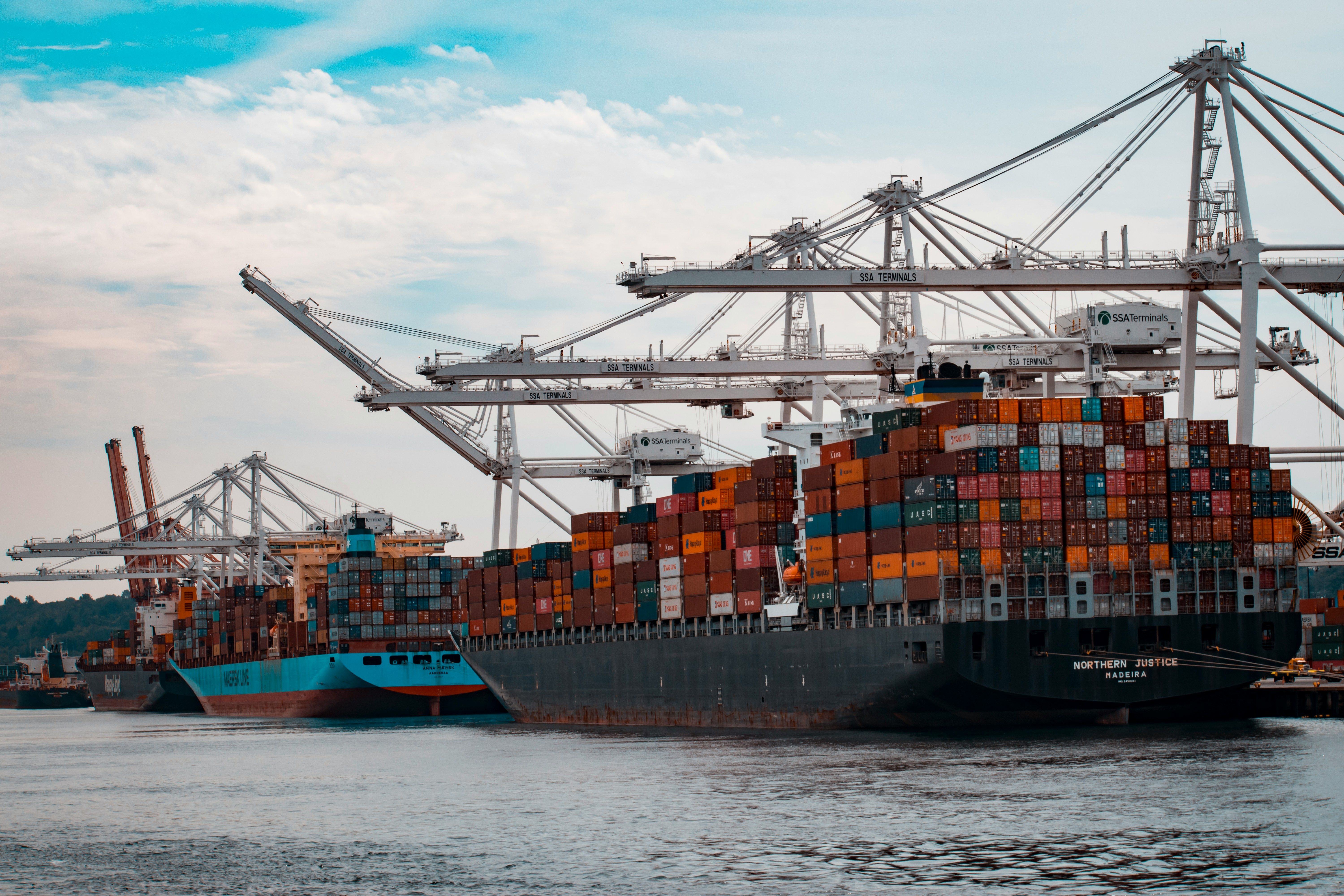
Ocean freight has seen a sharp run-up over the past several weeks. Transpacific spot rates have climbed well above earlier-year levels, driven by an early peak season, equipment shortages, and importers front-loading shipments ahead of tariff deadlines. The pace of increases appears to be slowing, suggesting rates may be nearing a near-term ceiling rather than continuing to climb at the same rate.
Capacity out of the Far East also remains under pressure, with strong import growth triggering overbookings and equipment strain on some of the busiest corridors.
Sea freight trends this week
- Transpacific rates have surged sharply but appear to be approaching a near-term ceiling.
- Panama Canal draft restrictions continue to constrain Caribbean and East Coast South America routes.
- Far East congestion and overbookings remain a factor for capacity planning.
- Front-loading ahead of tariff deadlines continues to strain available space.
Why this matters
Rates at current levels are unlikely to fall quickly. Businesses waiting for a meaningful pullback before booking may end up paying more, not less, if they miss their shipping window.
Air Freight: Easing Overall, But Tight on Key Routes
Air cargo tells a more mixed story. Global air freight rates have eased for a second consecutive week, though they remain well above year-ago levels. The transpacific lane in particular stays tight, supported by strong demand for AI hardware, semiconductors, and other high-tech, tariff-sensitive cargo.
Air freight trends this week
- Global rates are easing week over week but remain well above year-ago levels.
- Transpacific capacity stays tight due to high-tech and semiconductor demand.
- The EU's removal of its low-value duty exemption is reshaping e-commerce air cargo flows.
- Lower jet fuel prices are beginning to ease some upward pricing pressure.
Why this matters
Businesses shipping high-value or tariff-sensitive cargo by air should still expect route-specific premiums, even as the broader market softens.
Customs Compliance: More Moving Parts Than Ever
Between new country-specific tariffs, an expiring import surcharge, and the EU's recent removal of its duty exemption for lower-value goods, the documentation businesses need to get right has only grown. Accurate HS codes, invoices, and country-of-origin declarations are doing more work than ever to prevent delays and unexpected costs.
Businesses should carefully review
- HS code classifications
- Commercial invoices
- Country of origin declarations
- Regulatory certificates and permits
- Documentation for any lane affected by recent tariff changes
Why this matters
A documentation error that would have been a minor issue a year ago can now trigger a delay, an inspection, or an unexpected duty charge, given how quickly the underlying rules are shifting.
Sourcing: Diversification Is Now Risk Management, Not Strategy
Businesses continue diversifying suppliers across multiple countries as tariff and geopolitical risk shift week to week. With new duties landing on different countries in quick succession, flexible sourcing has moved from a competitive advantage to a basic requirement.
Why this matters
Businesses still concentrated in a single sourcing market are the ones most exposed when the next tariff announcement lands.
Visibility: The Industry Is Betting on It Too
It's not just importers investing in supply chain visibility. Major ocean and air carriers are continuing to expand into warehousing, fulfillment, and inland logistics, signaling that the industry itself sees visibility and fewer handoffs as the next competitive frontier.
Why this matters
As carriers build more integrated logistics networks, businesses that pair strong internal visibility with the right partners will be best positioned to take advantage of it.
What We're Telling Clients This Week
If you're importing
Build tariff volatility into your planning. New country-specific duties are landing with little notice, and yesterday's landed cost estimate may already be out of date.
If you're sourcing
Don't assume today's tariff exposure holds next month. Keep sourcing options open across regions so you can shift quickly if conditions change.
If you're planning inventory
Factor elevated ocean rates and tight transpacific air capacity into your landed cost projections now, not at the point of booking.
How Novoinno Is Helping
At Novoinno, we help businesses simplify international sourcing and logistics through end-to-end supply chain solutions:
- Global sourcing from China, the United States, the United Kingdom, Canada, and other international markets.
- Supplier verification and procurement support.
- Sea freight and air freight solutions.
- Supplier payment assistance.
- Customs documentation guidance.
- Shipment tracking and visibility.
- Landed cost planning.
- Supply chain risk management.
Whether you're importing a single shipment or managing a complex procurement operation, our goal is to help you source smarter,